


The main reason for draining water each time an automatic self-priming pump is used
2022-11-21
The main reason why water must be drained each time a self-priming pump with automatic control is used
1. The inlet pipe or pump casing of the self-priming pump with automatic control is small due to cost reduction measures adopted by most manufacturers in the current market competition. A small amount of water leakage from the pump casing is sufficient; therefore, water must be drained before each operation of the self-priming pump with automatic control to allow it to prime.
2. The throttling valve is too close to the pump at the inlet and outlet. After each shutdown, the pipeline between the non-return valve and the inlet and outlet is full of water, preventing air from being expelled during operation. This is why water must be drained before each start-up of the self-priming pump with automatic control. If the throttling valve is too close to the pump, the automatic air release valve on the inlet and outlet side of the self-priming pump with automatic control must be opened to exhaust air before priming.
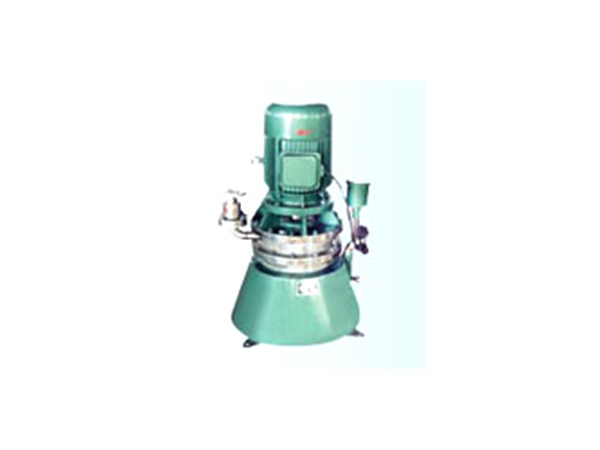
3. The inlet and outlet pipelines of the self-priming pump with automatic control are not equipped with a non-return valve. After each shutdown, a certain negative pressure is formed in the pump casing due to the outflow of water, which is the main reason why water must be drained before each start-up of the self-priming pump with automatic control.
4. Due to incorrect construction of the inlet and outlet pipelines of the self-priming pump with automatic control: The inlet and outlet of the self-priming pump with automatic control are not ensured to turn upwards within 1 meter. This applies to ordinary self-priming pumps with poor self-priming capacity. If using the technology of some high-suction self-priming pumps from magnetic water pump factories, there is no such clear requirement for installation.
Does a stainless steel self-priming pump need a foot valve?
(1) Should a stainless steel self-priming pump be fitted with a foot valve?
Generally, a foot valve is not required because the inlet of a stainless steel self-priming pump usually has a built-in non-return valve. After the stainless steel self-priming pump is shut down, the liquid in the pump chamber is difficult to flow back to the original pool and remains in the pump chamber. Therefore, it is not necessary to add liquid for the second use. However, this does not mean that a stainless steel self-priming pump cannot be fitted with a foot valve. Installing a foot valve will improve the effect. If the throttling valve is damaged, the foot valve acts as a backup, preventing high-speed rotation, and reasonably ensuring the pump's suction head.
(2) Modifying a stainless steel self-priming pump with a foot valve
If a foot valve is installed, the effect will be better. If the throttling valve is damaged, the foot valve acts as a backup, preventing high-speed rotation, and reasonably ensuring the pump's suction head! In another emergency situation, if the suction height difference is too large, or the suction pipe diameter is too large, and the volume exceeds the liquid storage capacity of the stainless steel self-priming pump chamber, normal operation will be impossible. In this case, a foot valve must be installed to ensure the safety and speed of self-priming.
Related information

Mobile:
Telephone:
Tel: Liu Fengxing13951151198 / 0523-88301008
E-mail:1911306499@qq.com
Address: Jiangdu Town Industrial Concentration Zone, Jiangyan City, Jiangsu Province
HUATAO GROUP
Leave a message online to get a free application solution
Copyright © 2025 Jiangsu Jiangjin Pump Industry Co., Ltd.